

The best way to Install a Skylight in Your Rooftop or Attic Conversion, For you and Tips

Skylights
We are found many ways of bringing out light into our properties and homes. These range from complete conservatories made from glass in a narrow framework, by means of custom-built, atrium roof sections, to smaller repaired or opening windows built-in into an existing roof.
Regardless of how much light you want in the house, it is important to know how to go about that. Some skylights require pretty cheap and small-scale installation performs; others involve large-scale, customized fabrication and design to do the job. Although planning permission probably is not required, the work should follow the building regulations, so seek the advice of your local buildings regulator.
A new skylight is a great way to make heat, light, and weather into a room. The addition of top lights can effectively transform a roof into a power running between the squares of sunshine.
Opening roof windows remedies ventilation and sunlight complications associated with the average building. In particular, in the case of attic conversions everywhere standard windows are not a method, an opening skylight turns a new roof cavity into a practical and pleasurable space.
Generally, consider ceiling geometry if you find yourself thinking about skylights. Narrow patterns running down to the line with the eaves create the effect connected with slots of light internally. If all the surfaces are drunk and painted, the skylight looks even more attractive.
Putting in a skylight
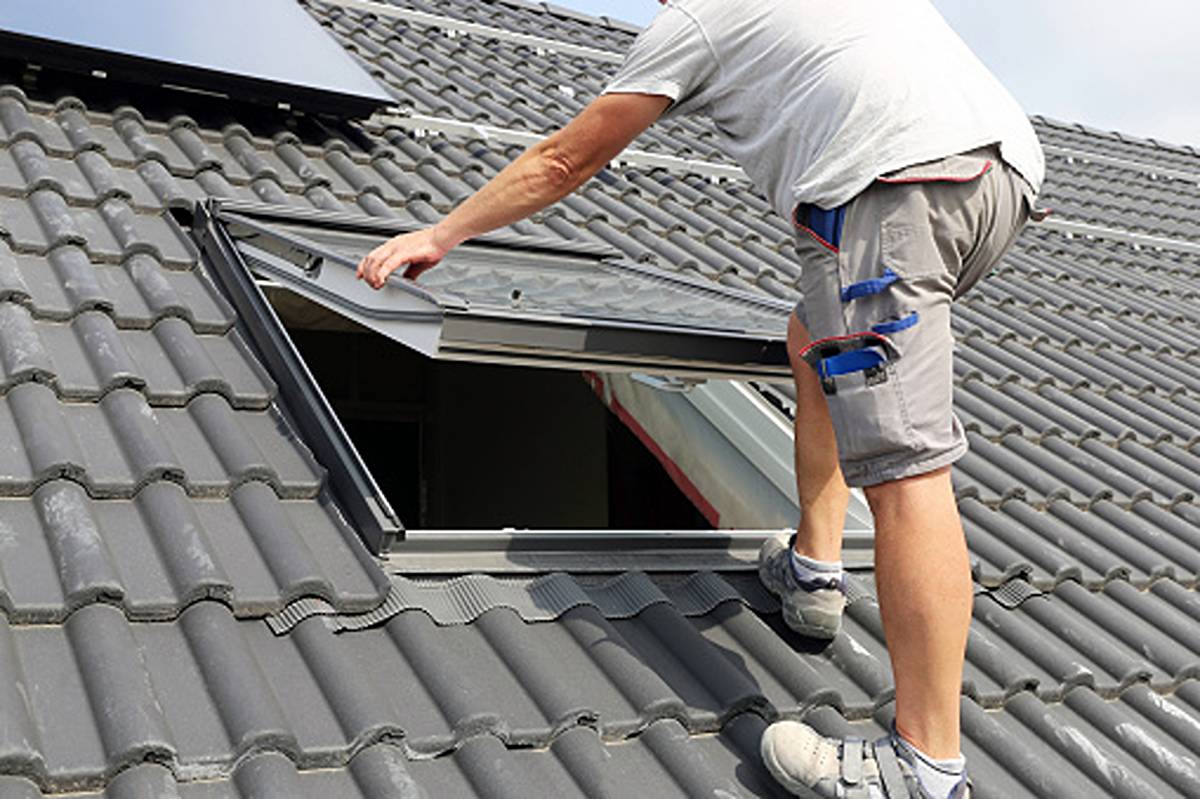
A skylight is a fantastic way to let mild and heat into uninspiring rooms. Putting in a skylight, especially if the shape of the threshold mimics the slope in the roof, is certainly not over and above the capability of the average DO IT YOURSELF, hobbyist.
First, decide how huge a skylight you want; a couple of, three, or four smaller windows could be better than a large one. Go over your needs with companies or suppliers. When it occurs, carefully read the installation instructions. Keep in mind you are going to put a ditch in your roof, which could permit the rain if there is any hold-up because you don’t know precisely how the unit should be fitted or perhaps there are a few parts absent. Have tarpaulin and the ropes to hand, in case.
Push a large nail into the threshold where the skylight is to move. Wearing shoes with great grip is essential. Climb onto the roof and locate the required position and remove the roofing slates. The skylight should never interfere with a ceiling hanger or a purlin.
Cut the actual tiling battens and tag out the frame size which will hold the skylight. Cut the actual rafters and put in trimmers in compliance with the manufacturer’s directions. Look out for any electrical wiring or cables. Cut aside the plaster with a notice and take the skylight through its box and take away the flashings and trims.
Tag the position of the skylight within the ceiling and make sure that one part of it fits next to the ceiling joist. Drive a big nail through its center. Remove the tiles and keep all of them close by. Cut the battens with a circular saw or possibly a handsaw and then cut typically the rafters until they are clipped correctly. Frame joints need to be well nailed – work with a minimum of four 90-millimeter nails in each case.
Before cutting the hole in the plasterboard, trim deeply into the sheet underneath with a knife. This may lessen the likelihood of the lining report tearing. If you’ve made typically the opening the correct size, typically the brackets of the sides of the skylight should stand on the surrounding members.
Stand the structure in the recommended position as well as fix it to the rafter as well as trimmers using brackets that ought to be provided. It must be level over the roof at both finishes.
Fit the bottom flashing, twisting it to follow the curves of the tiles. Fit the medial side flashings, the top flashing, and so forth. Refit the tiles around the skylight. You could use tile blades or a carborundum wheelset in your circular saw with this. (If the latter is utilized, make sure you wear goggles as well as long protective clothing. ) If you’ve followed the steps properly, the room below won’t grow to be water damaged. Read the manufacturer’s guidelines carefully, then locate the roof window and, soon after double checking it’s appropriate, temporarily fix it to one on the rafters.
Use a spirit level to check that the skylight is usually flat. If it is not, contain it up on the low area and then, using screws or maybe nails, fasten it snugly into position.
The flashings are very important, they are right now there to stop leaks and water damage, and mold developing between the skylight plus the roof covering. They must always be installed correctly and without damage. When you are fitting the actual flashings to the roof slates, a wood block may be used for beating the metallic into position. Do this until it finally fits the contours from the slates exactly. When fitted with the side and top flashings, proceed carefully. Check each step of the process.
The final step to the exterior would be to replace the roof slates. This can involve cutting. Once the work is done, be sure to clear away all of the debris that could block the actual downpipes. Measure the uncovered area between the edge of the skylight and the ceiling as well as cut the plasterboard to accommodate. Nail the plasterboard towards the place, using plasterboard fingernails or toenails. Metal corner angle articulations strengthen the join and offer a precise line to work about when you are plastering. Cut regarding a hacksaw and fingernail them in place. Using a mortar trowel, apply the bare concrete in separate layers, each of them getting wider and much wider. Make sure that you smooth each of the articulations away to nothing.
Promoting
Measure and mark typically the sections as required. Be sure the top side (unmarked) deals with outwards. With a sharp device, cut deeply along the border. Turn the board as well as, holding one side in the hand, give the sheet some sort of thump with your fist. This certainly will cause the sheet for you to bend and break. Employing a sharp knife, cut down the edge on the back of typically the sheet. This will ensure that the liner paper does not get washboard. Cut and fix the plasterboard around the skylight. Cut along with fixing the metal facets that strengthen the crevices. Plaster the corners. Mud, dry, prime, and color them.
Read also: Ornaments For Living Room