



Hey there! Have you ever wondered how some people seem to have a magic touch when it comes to sports betting? Well, spoiler alert: it might just be artificial intelligence (AI) at work. In this article, we’re diving into the world of AI in sports betting and how it’s shaking things up in ways we never imagined. Discover the best info about اپلیکیشن بت فوروارد.
Sports betting has been around for ages, but the way we approach it is changing rapidly, thanks to AI. So, what’s the big deal about AI in sports betting? Let’s break it down.
The Historical Context of Sports Betting
Sports betting has roots that trace back to ancient civilizations, where wagers were placed on chariot races and gladiator games. Over the centuries, this pastime evolved from informal bets to a structured industry with legal establishments. The introduction of AI marks a new chapter, revolutionizing traditional methods.
Technological Advancements Paving the Way
The surge in AI utilization in sports betting is largely due to advances in computing power and data storage. As technology becomes more sophisticated, it allows for real-time data processing and complex algorithmic predictions. This technological evolution is instrumental in AI’s rising influence in sports betting.
The Shift in Bettor Mindset
With AI in the picture, the mindset of bettors is shifting from instinct-driven to data-driven approaches. Modern bettors are increasingly relying on data analytics rather than gut feelings. This transformation in thinking underscores the impact AI has on the sports betting landscape.
Predictive Power at Its Best
AI is like having a super-smart friend who can analyze tons of data in seconds. It looks at past games, player stats, weather conditions, and even team psychology to predict outcomes. This predictive power is what makes AI a game-changer in sports betting. It helps bettors make more informed decisions and increases their chances of winning.
The Science Behind AI Predictions
AI predictions are grounded in sophisticated statistical models that analyze vast datasets. These models assess variables such as player performance metrics and historical game outcomes to forecast future events. Understanding the science behind these predictions highlights the robustness of AI’s analytical capabilities.
The Role of Big Data
Big Data plays a crucial role in enhancing AI’s predictive power. The ability to process large volumes of diverse data points enables AI to identify patterns that humans might overlook. This data-driven approach adds precision to predictions, offering bettors a competitive edge.
Impact on Betting Strategies
The insights provided by AI influence betting strategies profoundly. Bettors can tailor their approaches based on AI’s projections, leading to more calculated risks. This shift towards strategic betting is redefining how enthusiasts approach sports wagers.
Real-Time Analysis
Gone are the days when you had to wait for the morning paper to get the latest sports updates. AI provides real-time analysis, which means you can get up-to-the-minute insights and adjust your bets accordingly. Imagine having a personal sports analyst who works around the clock—that’s what AI offers.
The Importance of Timely Information
In the fast-paced world of sports betting, timely information is critical. Real-time analysis allows bettors to react swiftly to changing circumstances, such as last-minute player injuries or weather changes. This immediacy enhances decision-making and betting outcomes.
The Mechanics of Real-Time Data Processing
AI systems utilize continuous data streams to deliver real-time insights. They harness the power of cloud computing and advanced algorithms to process data as it arrives, ensuring that bettors have access to the latest information at their fingertips.
Enhancing User Experience
Real-time analysis not only boosts betting accuracy but also enhances user experience. Bettors enjoy a seamless and dynamic interaction with betting platforms, where they can adjust their wagers instantly. This level of engagement is transforming the sports betting industry.
How Does AI Work in Sports Betting?
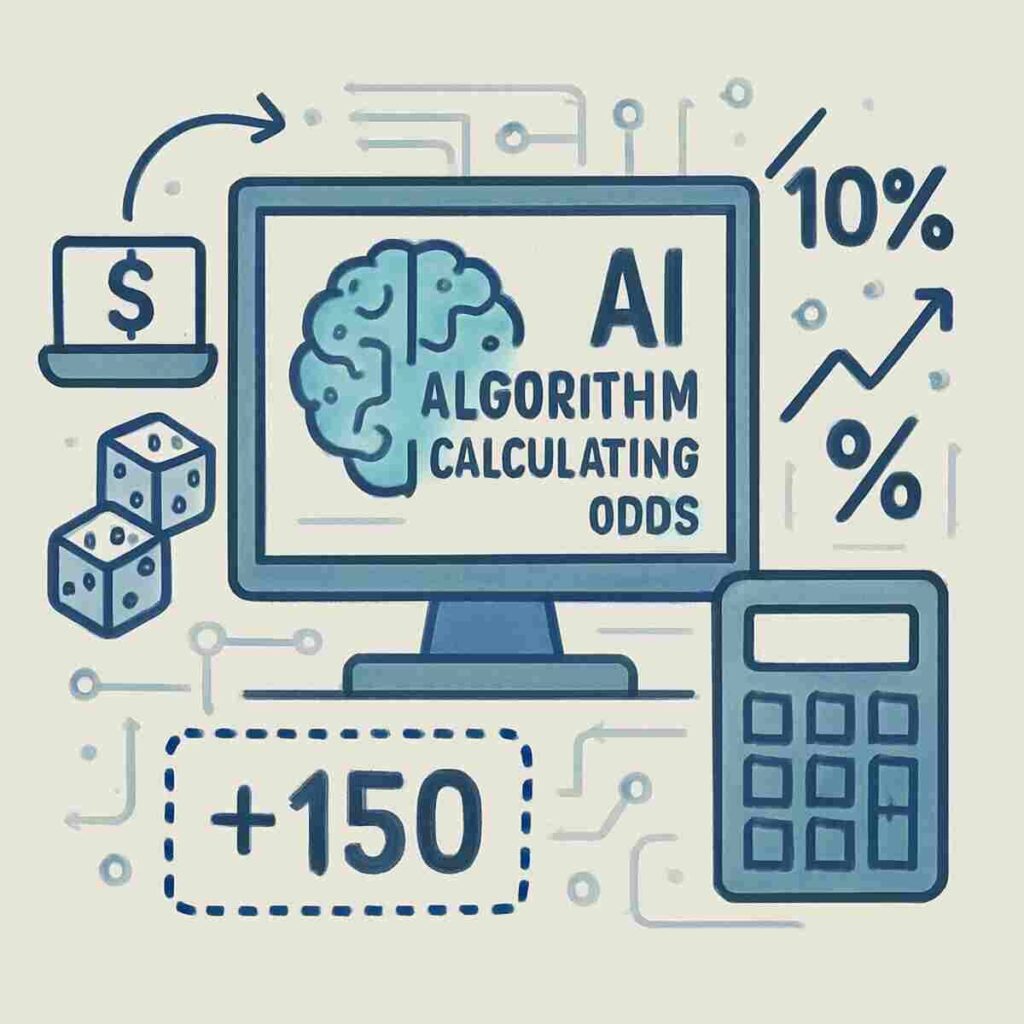
Now, you might be wondering, how exactly does AI do all this magic? Let’s take a closer look at the mechanics behind AI sports betting.
Data Collection and Processing
First off, AI collects a massive amount of data from various sources—everything from player performance to weather forecasts. It then processes this data using complex algorithms to find patterns and trends. This is where the real magic happens.
Data Sources and Types
AI draws from a multitude of data sources, including live game feeds, social media, and historical game records. The diversity of data types—numerical, textual, and visual—ensures comprehensive analysis. This multifaceted approach is key to AI’s data-driven insights.
Algorithms at Work
Complex algorithms are the backbone of AI’s data processing capabilities. These algorithms employ machine learning techniques to analyze patterns and correlations in the data. The iterative process of learning and refining predictions is what sets AI apart in accuracy.
The Role of Human Oversight
Despite AI’s advanced capabilities, human oversight remains crucial. Experts are needed to set parameters, validate AI models, and ensure ethical considerations are met. The synergy between human expertise and AI technology is a hallmark of modern sports betting.
Machine Learning Models
AI uses machine learning models to improve its predictions over time. These models learn from past mistakes and successes, getting better and better with every game. It’s like teaching a dog new tricks, only faster and with a lot more math involved.
Types of Machine Learning Models
In sports betting, a variety of machine learning models are employed, including supervised, unsupervised, and reinforcement learning. Each model type serves different purposes, from classification to prediction, enhancing AI’s versatility in making accurate forecasts.
Continuous Learning and Adaptation
Machine learning models thrive on continuous learning. As new data flows in, these models adapt and refine their predictions, ensuring they stay relevant in a dynamic sports environment. This adaptability is crucial for maintaining AI’s edge in sports betting.
Challenges in Model Training
Training machine learning models presents its own set of challenges. Ensuring data quality, avoiding overfitting, and selecting the right features require meticulous attention. Overcoming these challenges is essential for maximizing the efficacy of AI predictions.
Natural Language Processing (NLP)
Ever heard of Natural Language Processing (NLP)? It’s a fancy term for how AI understands and interprets human language. In sports betting, NLP helps AI to sift through news articles, tweets, and other textual data to gauge public sentiment and other intangible factors that could affect game outcomes.
Understanding NLP Basics
NLP involves a range of techniques for processing and analyzing language data. From sentiment analysis to entity recognition, NLP enables AI to derive insights from textual information. This understanding is pivotal for assessing factors like team morale and public opinion.
Sentiment Analysis in Betting
Sentiment analysis is a powerful tool in sports betting, allowing AI to gauge the mood of fans and analysts. By analyzing social media trends and news reports, AI can identify shifts in sentiment that might impact betting odds. This insight adds a qualitative layer to quantitative data.
Textual Data as a Predictive Tool
Textual data, when analyzed through NLP, becomes a potent predictive tool. It provides context and depth to statistical analyses, offering a holistic view of the factors influencing game outcomes. This integration of textual insights is a game-changer for betting strategies.
What Are the Benefits of AI in Sports Betting?
AI doesn’t just make sports betting smarter; it makes it better. Here are some perks that come with using AI in this field.
Enhanced Accuracy
With AI, you’re not just relying on gut feelings or hunches. The technology offers a much higher level of accuracy in predicting game outcomes. This means you’re likely to make more successful bets, which is always a win in our book.
Quantifying Accuracy Improvements
AI’s ability to enhance accuracy is quantifiable. Studies show that AI-driven predictions can outperform human intuition by significant margins. The precision of AI models is continually validated through real-world betting successes.
Real-World Success Stories
Numerous success stories highlight AI’s impact on sports betting. From predicting underdog victories to identifying potential upsets, AI has proven its worth in various sports arenas. These real-world examples underscore the transformative power of AI.
The Competitive Edge
Enhanced accuracy translates to a competitive edge for bettors. Armed with precise predictions, bettors can navigate the complexities of sports betting with confidence. This advantage is reshaping the competitive landscape of the industry.
Saves Time
Let’s face it: researching games, teams, and players takes a lot of time. With AI, you can save hours of research, as it does all the heavy lifting for you. This leaves you more time to focus on other important things—like enjoying the game!
Streamlining the Research Process
AI streamlines the research process by automating data collection and analysis. What once took hours can now be accomplished in minutes, freeing up time for bettors to focus on strategy and decision-making.
Efficiency in Decision-Making
Time savings translate to efficiency in decision-making. With AI providing rapid insights, bettors can make informed choices without the need for extensive manual research. This efficiency is particularly valuable in fast-paced sports environments.
Balancing Technology and Enjoyment
AI’s time-saving benefits allow bettors to strike a balance between technology and enjoyment. With more time available, enthusiasts can savor the experience of watching games and celebrating victories, enhancing their overall enjoyment of sports betting.
Reduces Emotional Betting
We’ve all been there—placing a bet based on team loyalty or a gut feeling. AI takes emotions out of the equation, focusing purely on data and logic. This approach reduces the likelihood of making impulsive or emotional bets.
The Psychology of Betting
Understanding the psychology of betting reveals why emotional decisions occur. Factors like team loyalty and recency bias often cloud judgment. AI mitigates these influences by providing data-driven insights, fostering rational decision-making.
Fostering Rational Decision-Making
AI’s focus on logic and data encourages rational decision-making. Bettors are less likely to succumb to emotional impulses, leading to more strategic and calculated wagers. This shift is fundamental to improving betting outcomes.
Building Long-Term Betting Success
By reducing emotional betting, AI contributes to building long-term success. Consistent, data-driven decisions yield more favorable outcomes over time, establishing a foundation for sustained success in sports betting.
Challenges and Concerns
Of course, nothing is perfect. While AI has a lot of advantages, it also comes with its own set of challenges and ethical concerns.
Data Privacy
One of the biggest concerns with AI is data privacy. With so much data being collected and analyzed, there’s always a risk of sensitive information being misused or falling into the wrong hands.
Navigating Data Privacy Regulations
Navigating the complex landscape of data privacy regulations is a challenge for AI in sports betting. Adhering to laws like GDPR and CCPA is essential to protect user data and maintain trust. This compliance is a cornerstone of ethical AI use.
Protecting User Information
AI systems must prioritize protecting user information from breaches and misuse. Implementing robust security measures, such as encryption and access controls, is vital to safeguarding sensitive data. This focus on security reinforces user confidence.
The Balance Between Data Utility and Privacy
Striking a balance between data utility and privacy is an ongoing challenge. AI systems must find ways to leverage data for insights while respecting user privacy rights. Achieving this balance is crucial for the responsible use of AI in sports betting.
Over-Reliance on Technology
Relying too much on AI can also be a downside. Bettors might start depending solely on AI predictions, losing the human touch and intuition that also play a role in successful betting.
The Role of Human Intuition
Human intuition has its place in sports betting, offering insights that AI may overlook. Balancing AI-driven predictions with intuitive judgment creates a holistic approach that enhances betting strategies.
Avoiding Complacency
Over-reliance on technology can lead to complacency among bettors. To counter this, enthusiasts should remain engaged and informed, using AI as a tool rather than a crutch. This proactive approach maintains the dynamic nature of sports betting.
Encouraging Critical Thinking
AI should encourage, not replace, critical thinking in sports betting. Bettors should question AI predictions, explore alternative viewpoints, and remain active participants in decision-making. This critical engagement enriches the betting experience.
Ethical Considerations
There are also ethical questions about the fairness of using AI in sports betting. If one group has access to advanced AI tools while others don’t, is that fair? It’s a topic that’s still up for debate.
Ensuring Fair Access to AI Tools
Ensuring fair access to AI tools is a pressing ethical concern. The democratization of AI technology can level the playing field, allowing a broader spectrum of bettors to benefit from its capabilities. Promoting accessibility is key to ethical AI deployment.
Addressing Potential Biases
AI systems must address potential biases in their algorithms to ensure fairness. Identifying and mitigating biases related to race, gender, or other factors is crucial for maintaining ethical standards in sports betting.
Fostering Responsible AI Use
Fostering responsible AI use involves establishing guidelines and best practices for ethical deployment. Industry stakeholders must collaborate to create a framework that prioritizes fairness, transparency, and accountability in AI-driven sports betting.
Future of AI in Sports Betting
The future of AI in sports betting looks promising. As technology continues to evolve, we can expect even more sophisticated AI tools that offer enhanced predictive capabilities and more personalized betting experiences.
Personalized Betting
AI is moving towards offering personalized betting experiences. Imagine getting betting advice tailored specifically to your preferences and past betting behavior. This level of customization is just around the corner.
Tailoring Experiences to Individual Preferences
Personalized betting experiences leverage AI to tailor recommendations based on individual preferences. By analyzing user behavior and historical data, AI can offer suggestions that resonate with each bettor’s unique style and interests.
The Role of User Data
User data is central to personalization, enabling AI to understand bettor preferences and habits. Ensuring that data is used responsibly and transparently is essential for maintaining trust and enhancing user experiences.
Creating a Dynamic Betting Landscape
Personalization creates a dynamic betting landscape, where bettors can explore customized options and strategies. This diversity enriches the sports betting experience, offering new opportunities for engagement and enjoyment.
Integration with Other Technologies
We might also see AI integrating with other technologies like virtual reality (VR) or blockchain to offer a more immersive and secure betting environment.
The Potential of Virtual Reality (VR)
Virtual reality offers immersive experiences that can revolutionize sports betting. Imagine placing bets in a virtual stadium or interacting with real-time simulations. AI’s integration with VR could redefine how enthusiasts engage with sports betting.
Blockchain for Enhanced Security
Blockchain technology offers enhanced security and transparency in sports betting. Its decentralized nature ensures the integrity of transactions and data, fostering trust among bettors. AI’s integration with blockchain could enhance both security and user confidence.
The Convergence of Emerging Technologies
The convergence of AI with other emerging technologies promises a new era for sports betting. From augmented reality experiences to seamless digital interactions, this integration holds the potential to transform the industry in unprecedented ways.
Wrapping It Up
So, there you have it! AI is revolutionizing sports betting by making it smarter, faster, and more accurate. While there are challenges to consider, the benefits are undeniable. Whether you’re a newbie or a seasoned bettor, AI offers tools that can take your game to the next level.
Next time you place a bet, remember: it might just be AI that gives you that winning edge. Happy betting!